This short guide explains the steps of tooth implant by Denver, CO so you know what to expect from start to finish. You’ll get a clear, step-by-step timeline that covers the exam, surgery, healing, and final restoration, plus simple tips for preparing and recovering. Read this before your consultation to feel more confident and ready to ask the right questions.
The steps of tooth implant: an easy timeline
1. Initial consultation and exam
Your dentist reviews your medical history, current medications, and any dental concerns. A thorough oral exam is done and imaging such as X‑rays or a CBCT scan checks bone levels and nearby nerves. This visit decides whether implants are a good option.
2. Treatment planning
Using the images, your dentist creates a treatment plan. Digital planning helps decide implant size, placement, and whether you need a single implant, multiple implants, or a full-arch solution. You’ll get a timeline and cost estimate at this stage.
3. Tooth extraction (if needed) and bone grafting
If a damaged tooth must be removed, it may be done before implant placement. Bone grafting is sometimes needed when jaw bone is too thin. Grafts add healing time—usually a few months—before the implant can be placed.
4. Implant placement surgery
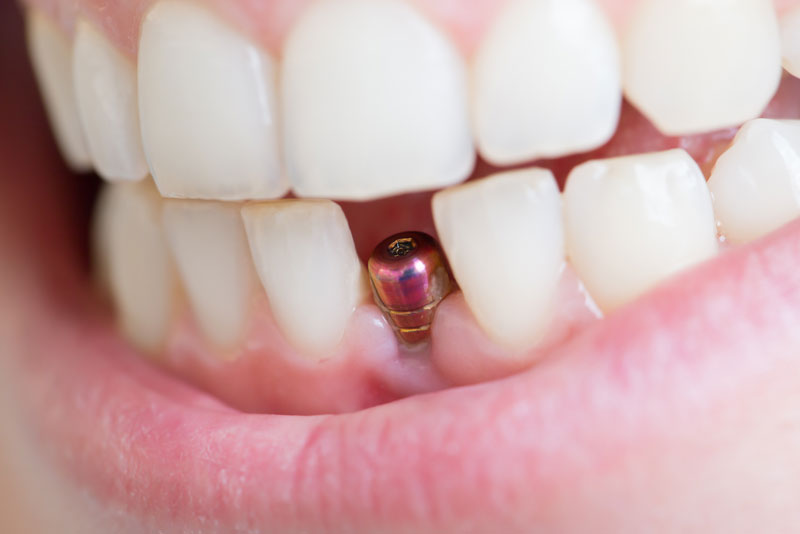
The dentist places a small titanium post into the jaw under local anesthesia. The procedure often takes less than two hours for a single implant. Many patients return home the same day and follow basic post-op care to manage discomfort.
5. Healing and osseointegration
Osseointegration is when bone grows onto the implant surface. This bonding usually takes 3–6 months depending on location and bone quality. During healing, a temporary crown or denture may be used for looks and function.
6. Abutment and crown placement
Once the implant is integrated, the dentist attaches an abutment (the connector) and takes impressions for a custom crown. The permanent crown is then fitted and adjusted for bite, appearance, and comfort.
7. Follow-up visits and long-term care
Regular checkups keep your implant healthy. Good home care—brushing, flossing, and routine cleanings—helps prevent problems. Report pain, mobility, or unusual swelling right away.
How to prepare and what to expect during recovery
Follow pre-op instructions about medications and meals, and arrange a ride home if you’ll have sedation. On the day of surgery, plan soft foods and rest.
- Common symptoms: mild pain and swelling for 2–4 days
- Home care: ice packs, prescribed or OTC pain relief, soft foods, gentle oral rinses
- When to call: heavy bleeding, high fever, severe increasing pain, or signs of infection
Who is a good candidate, risks, and cost basics
Good candidates for tooth implants by Denver, CO are generally healthy adults with adequate jaw bone or who are willing to have grafting. Smoking, uncontrolled diabetes, or certain medications can affect success and should be discussed with your dentist.
- Common risks: infection, delayed healing, implant failure (rare)
- Modern techniques minimize risks through digital planning, guided surgery, and proper follow-up
Costs vary by number of implants, need for grafting, and the type of restoration. Many practices offer payment plans or financing—ask about options during your consultation.
Ready to start? About scheduling your implant consultation
If you’re ready to learn how implants can restore your smile, call to schedule a consultation. Bring a list of medications, your medical history, and any recent dental X‑rays if you have them. During the visit, ask for a planned timeline, detailed costs, and expected outcomes.
Book your consult to go over the steps of tooth implant by Denver, CO and get a personalized plan that fits your health and schedule.