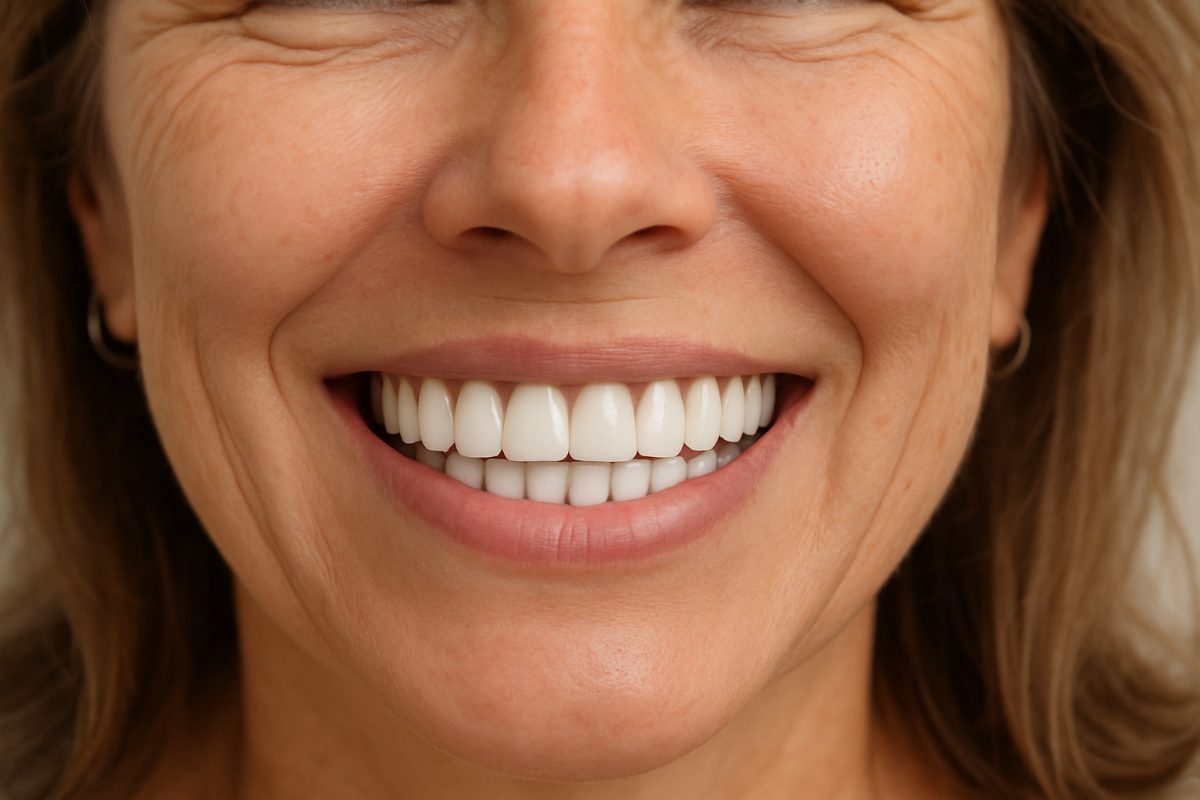
Can Dentures Look Real? A Guide to Natural-Looking Dentures in Aurora, CO
Yes, dentures can look remarkably natural. Modern materials, digital treatment planning, customized tooth design, and dental implant technology have made today’s tooth-replacement options more realistic, comfortable, and secure than traditional dentures of the past.
The right solution depends on your oral health, the number of teeth you need to replace, your cosmetic goals, and whether you prefer a removable or fixed restoration. At Dental Associates of Aurora, patients can explore options ranging from full and partial dentures to implant-supported and fixed full-arch teeth.
This guide explains what makes dentures look real, how the available options compare, and what to expect when seeking natural-looking dentures in Aurora, CO.
What Makes Dentures Look Natural?
Natural-looking dentures do more than replace missing teeth. They should complement your face, support comfortable speaking and chewing, and recreate the subtle details found in a natural smile.
Several design elements contribute to a realistic result:
- Personalized tooth shape and size: The teeth should be proportioned to your face, lips, jaw, and remaining natural teeth.
- Careful shade selection: Natural teeth are not completely uniform or opaque. Thoughtful shade matching can reproduce natural brightness, translucency, and color variation.
- Realistic gum contours: Customized gum-colored materials can recreate the shape, texture, and color gradients of healthy gingival tissue.
- Balanced lip and facial support: A properly designed restoration can support the lips and cheeks, helping reduce the collapsed or sunken appearance sometimes associated with long-term tooth loss.
- A stable, comfortable fit: Teeth that remain secure while speaking, smiling, and eating tend to look and feel more natural during everyday life.
The most attractive result is not necessarily the whitest or most perfectly symmetrical smile. Small variations in tooth shape, position, texture, and translucency often create a more believable appearance.
What Are the Most Natural-Looking Denture Options?
There is no single best option for every patient. Each type of denture offers a different balance of appearance, stability, maintenance, treatment time, and cost.
Traditional Removable Dentures
Traditional dentures use prosthetic teeth attached to a gum-colored acrylic base. They rest directly on the gum tissue and are removed for cleaning and sleeping.
Modern removable dentures can look much more realistic than older, standardized appliances. Customized tooth molds, improved acrylic materials, and detailed shade selection allow the restoration to be designed around your facial features rather than using a one-size-fits-all appearance.
Because conventional dentures are supported by the gums rather than dental implants, they may move slightly during eating or speaking. Changes in the jawbone can also affect their fit over time, making periodic adjustments or relines necessary.
Traditional dentures may be appropriate for patients who:
- Want a nonsurgical tooth-replacement option
- Need to replace a complete arch of teeth
- Prefer a lower initial treatment cost
- Are not currently candidates for implant surgery
Learn more about the practice’s full and partial denture options.
Implant-Supported Overdentures
An implant-supported overdenture is a removable denture that connects to dental implants placed in the jaw. The implants provide additional retention, helping reduce the slipping and rocking commonly associated with conventional dentures.
Greater stability can improve chewing comfort, speech, and confidence. It may also give the dental team more flexibility when arranging the prosthetic teeth and creating appropriate support for the lips and cheeks.
Depending on your anatomy and treatment plan, an overdenture may be supported by two or more implants. The appliance is still removable, allowing it to be cleaned outside the mouth.
Implant-supported dentures may appeal to patients who want:
- More stability than a traditional denture
- A removable restoration that is easier to clean
- Improved confidence while eating and speaking
- A treatment option between conventional dentures and fixed full-arch teeth
Fixed Full-Arch Dental Implants
Fixed full-arch teeth are secured to multiple dental implants and remain in the mouth rather than being removed each night. This option is designed to replace an entire upper or lower arch with a stable prosthesis.
Because the restoration is anchored by implants, it can provide greater stability and biting function than a conventional removable denture. The teeth can also be arranged and customized to create natural proportions, lip support, and facial balance.
Dental Associates of Aurora provides full-mouth dental implant treatment for qualified patients with extensive tooth loss or failing teeth.
You can also review the differences between fixed and removable tooth-replacement options before your consultation.
Zirconia Fixed Teeth
Zirconia is a durable ceramic material frequently used for fixed implant restorations and dental bridges. It can be shaped, shaded, and polished to reproduce many of the visual characteristics of natural teeth.
Potential advantages of zirconia include:
- Natural-looking color and translucency
- Resistance to staining and discoloration
- High strength for daily biting and chewing
- A smooth, polished surface
- The ability to customize individual tooth shapes and contours
Although zirconia may provide an exceptionally lifelike result, the final appearance still depends on careful planning, prosthetic design, implant position, bite alignment, and laboratory craftsmanship.
Explore additional information about zirconia fixed restorations.
Traditional Dentures vs. Implant-Supported Teeth
The following comparison provides a general overview. Your dentist will recommend an option based on your health, anatomy, preferences, and treatment goals.
| Feature | Traditional Dentures | Implant-Supported Overdentures | Fixed Full-Arch Teeth |
|---|---|---|---|
| Removable | Yes | Yes | No |
| Supported by implants | No | Yes | Yes |
| Stability | May move as the jaw changes | More stable than traditional dentures | Designed to remain securely fixed |
| Cleaning | Removed for cleaning | Removed for cleaning | Cleaned in the mouth with specialized tools |
| Initial investment | Generally lower | Moderate | Generally higher |
| Natural feel | Varies with fit and design | Improved stability and confidence | Often most similar to fixed natural teeth |
How Are Natural-Looking Dentures Designed?
Creating a realistic smile requires more than selecting teeth from a catalog. A personalized treatment process may include facial evaluation, digital scans, photographs, bite analysis, and a discussion of what you want your new smile to look like.
Facial and Smile Evaluation
Your provider evaluates the relationship between your teeth, lips, cheeks, gums, and facial proportions. This information helps determine appropriate tooth width, length, shape, and position.
Digital Scans and 3D Imaging
Digital impressions can capture detailed information about the mouth without relying exclusively on traditional impression material. When implants are being considered, three-dimensional imaging may also be used to evaluate the jawbone and plan implant placement.
Tooth Shape and Shade Selection
Your dental team will discuss how bright, youthful, uniform, or natural you want your smile to appear. Tooth shades can be selected to complement your skin tone and facial features. Shape and surface texture can also be adjusted to avoid an overly artificial appearance.
Smile Preview or Temporary Teeth
Depending on the treatment, you may be able to evaluate a wax setup, digital preview, trial denture, or temporary restoration before the final prosthesis is completed. This stage provides an opportunity to assess the smile’s appearance, speech, bite, and lip support.
Laboratory Customization
Close communication between the dentist and dental laboratory is essential when fine-tuning tooth position, shade, gum contours, and bite alignment. Dental Associates of Aurora has an in-house dental laboratory, which can support efficient communication and restoration customization.
Can Dentures Prevent a Sunken Facial Appearance?
Tooth loss can affect the lower portion of the face because teeth and their supporting structures help maintain facial height and lip support. A well-designed denture can restore some of this lost support by rebuilding the position of the teeth and gums.
However, traditional dentures do not replace the tooth roots. The jawbone may continue changing after tooth loss, which can gradually affect the fit of the denture and the shape of the face.
Dental implants stimulate the surrounding bone when biting forces are transferred through the implant. They may therefore help preserve more bone in the areas where they are placed. The extent of preservation varies by patient, implant position, oral health, and other clinical factors.
Am I a Candidate for Implant-Supported Dentures?
Many adults with missing teeth, failing teeth, or an uncomfortable existing denture may be considered for implant-supported treatment. Candidacy can only be determined after an examination and appropriate imaging.
Your provider will evaluate factors such as:
- The amount and quality of available jawbone
- Gum and periodontal health
- Your bite and remaining teeth
- Current medications and medical conditions
- Tobacco use
- Your ability to maintain the restoration
- Your cosmetic and functional goals
Some patients need preparatory procedures, such as tooth extractions or bone grafting, before implants can be placed. Others may qualify for a temporary set of teeth shortly after implant surgery. Treatment timing is individualized and cannot be determined without a clinical evaluation.
What Should I Expect During Treatment?
Although every case is different, the process for implant-supported or fixed full-arch teeth commonly includes the following stages:
- Consultation: The dental team reviews your concerns, medical history, current teeth, and smile goals.
- Diagnostic records: Photographs, digital scans, X-rays, and three-dimensional imaging may be collected.
- Treatment planning: Your provider recommends a removable or fixed option and explains the expected timeline, costs, and alternatives.
- Preparatory care: Unhealthy teeth may be removed, and bone grafting or other treatment may be completed when necessary.
- Implant placement: Dental implants are positioned according to the surgical plan.
- Temporary restoration: Eligible patients may receive temporary teeth while the implants heal.
- Healing: The implants integrate with the surrounding bone over time.
- Final restoration: The final denture or fixed prosthesis is designed, evaluated, adjusted, and delivered.
- Maintenance: Routine professional care helps protect the implants, gums, bite, and prosthetic teeth.
Patients who feel nervous about treatment can also ask about available sedation dentistry options.
How Much Do Natural-Looking Dentures Cost?
The cost of dentures varies because treatment is customized. Factors affecting the overall investment may include:
- Whether one arch or both arches are being treated
- The type of removable or fixed restoration selected
- The number of dental implants required
- The need for extractions or bone grafting
- The materials used for temporary and final teeth
- The complexity of the bite and restorative design
- Insurance benefits and financing arrangements
A consultation is necessary to provide an accurate treatment estimate. Dental Associates of Aurora offers information about insurance and dental financing for patients considering care.
How Do You Care for Realistic Dentures?
Consistent maintenance helps preserve the appearance, comfort, and function of any tooth-replacement solution.
Caring for Removable Dentures
- Remove and clean the denture as directed.
- Use cleaning products intended for denture materials.
- Clean your gums, tongue, and any remaining natural teeth daily.
- Store the appliance properly when it is outside your mouth.
- Schedule an evaluation if the denture becomes loose, painful, or damaged.
Caring for Implant-Supported or Fixed Teeth
- Brush the prosthetic teeth and gumline every day.
- Use floss threaders, interdental brushes, or a water flosser as recommended.
- Attend routine professional maintenance appointments.
- Avoid using the restoration to open packages or bite hard nonfood objects.
- Wear a nightguard when recommended for grinding or clenching.
Even though prosthetic teeth cannot develop cavities, the gums and tissues around dental implants still require careful cleaning and professional monitoring.
Explore Natural-Looking Dentures in Aurora, CO
You do not have to settle for replacement teeth that look bulky, feel unstable, or do not complement your face. Today’s removable dentures, implant-supported overdentures, and fixed zirconia teeth can be customized around your appearance, comfort, and lifestyle.
The first step is a comprehensive evaluation. During your visit, the Dental Associates of Aurora team can assess your oral health, review your imaging, discuss fixed and removable options, and create a treatment plan based on your needs.
Request an appointment with Dental Associates of Aurora to learn which natural-looking tooth-replacement option may be right for you.