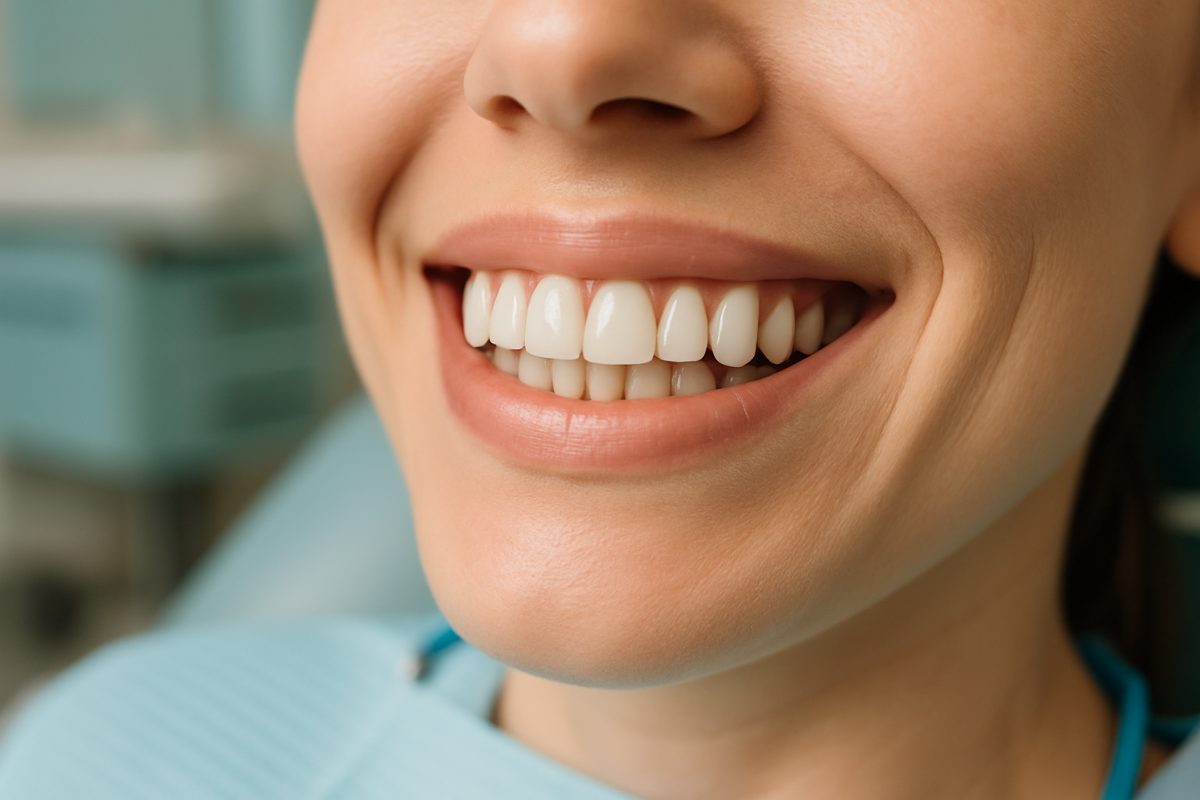
Many patients inquire about options for replacing a missing tooth, often referring to them as “fake teeth.” These replacements are clinically known as prosthetic dental restorations, designed to replicate the appearance and function of natural teeth. Available solutions include removable dentures, fixed crowns or bridges, and implant-supported restorations. Each option presents distinct advantages and considerations regarding form, function, and longevity. A dental professional can provide a personalized evaluation if you are experiencing tooth pain, shifting teeth, or have a visible gap.
What defines a “fake tooth” or prosthetic dental restoration?
Prosthetic dental restorations encompass various devices intended to replace missing or damaged teeth. These can range from removable appliances to permanently fixed solutions, each serving different clinical needs and patient preferences. Understanding the distinctions helps in making an informed decision about tooth replacement.
Dentures (partial & full)
Dentures are removable oral appliances that contain one or more prosthetic teeth. Partial dentures are designed to clip onto existing natural teeth, while full dentures replace an entire arch of teeth—upper, lower, or both. They offer a non-surgical, often more affordable upfront solution. However, dentures can sometimes shift during speech or eating, may require the use of adhesives, and typically need periodic adjustments or relining to maintain a proper fit as oral tissues change over time.
Crowns and bridges
A dental crown is a custom-fabricated cap that covers a damaged tooth or an abutment placed on a dental implant. A dental bridge is a fixed prosthetic solution used to span the gap created by one or more missing teeth. It typically consists of artificial teeth (pontics) anchored to adjacent natural teeth or dental implants. While bridges are not removable, they may necessitate minor preparation of the supporting natural teeth.
Dental implants
Dental implants consist of small, biocompatible titanium posts surgically placed into the jawbone. These posts act as artificial tooth roots, providing a stable foundation for individual crowns, multi-tooth bridges, or full-arch prostheses. Implants are designed to integrate with the bone through a process called osseointegration, offering a durable and stable solution that helps preserve jawbone integrity and closely mimics the feel and function of natural teeth.
Temporary/esthetic fillers
Temporary restorations such as “flippers” (removable partial dentures) or provisional crowns are used for short-term aesthetic and functional purposes during the healing phase or while permanent restorations are being fabricated in a dental lab. These options are not designed for long-term durability but provide interim solutions for appearance and limited function.
Comparing tooth replacement options: appearance, durability, and cost
Patients often weigh appearance, longevity, and financial investment when considering tooth replacement. Each option offers a unique balance of these factors, influencing the overall patient experience and long-term oral health.
Appearance
Implant-supported crowns and meticulously crafted bridges generally offer the most natural appearance due to the use of high-quality, tooth-colored materials and precise laboratory fabrication. Modern dentures can also be cosmetically pleasing, though custom design is crucial to ensure a natural look, particularly at the gum line.
Durability & maintenance
Dentures typically last 5 to 10 years with appropriate daily cleaning and routine professional adjustments. Bridges have a lifespan of 7 to 15 years, dependent on oral hygiene practices and masticatory forces. Dental implants, with diligent oral hygiene and regular dental check-ups, can last for decades, though the crowns they support may require replacement over time.
Typical cost ranges
The financial investment for tooth replacement varies based on geographic location, specific materials chosen, and the complexity of the case. Generally, dentures represent the lowest upfront cost. Dental bridges fall into a mid-range cost category. While single dental implants have a higher initial cost, their long-term benefits in terms of stability, bone preservation, and potential longevity can make them a cost-effective solution over many years.
Candidacy for each tooth replacement option
Patient suitability for each restorative option is determined by individual oral health, overall medical status, and the number and location of missing teeth. A thorough clinical assessment is essential to recommend the most appropriate treatment.
Replacing a single missing tooth
For a single missing tooth, a dental implant with a porcelain crown is often the preferred choice, provided sufficient jawbone density and good general health. A traditional fixed bridge may be an alternative when an implant is not feasible or desired, though this involves modifying adjacent teeth.
Replacing multiple missing teeth or an entire arch
When multiple teeth are missing, or a full arch replacement is needed, multiple dental implants can support a fixed bridge or a full-arch prosthesis, offering excellent stability and function. Removable full or partial dentures may be recommended for patients seeking non-surgical options or those with budgetary constraints.
Health, bone quality, and medical considerations
Successful dental implant placement requires adequate jawbone volume and density. Controlled systemic health conditions, such as diabetes, and the absence of smoking are important factors for implant success. Significant bone loss, certain medical conditions, or heavy smoking may lead to a recommendation for dentures or bridges as more suitable alternatives.
What to expect during the dental implant process
The process for receiving dental implants involves several stages, beginning with a detailed assessment to ensure predictable outcomes.
Evaluation and imaging
Initial steps include a comprehensive clinical examination, often supplemented with advanced diagnostic imaging such as digital X-rays and Cone Beam Computed Tomography (CBCT) scans. These imaging techniques provide precise 3D views of the jawbone, nerves, and sinus anatomy, which are critical for accurate surgical planning and to identify potential need for additional procedures.
Surgical placement, osseointegration, and prosthetic attachment
The typical sequence involves the surgical placement of the titanium implant post into the jawbone. This is followed by a healing period, known as osseointegration, during which the implant fuses with the bone. This phase can take several weeks to months. Once osseointegration is complete, an abutment is attached to the implant, acting as a connector for the final crown or prosthesis. In select cases, immediate loading of a temporary crown may be possible.
Potential adjunctive treatments
In some situations, procedures such as bone grafting to augment bone volume, tooth extractions, or sinus lifts may be necessary prior to or during implant placement. These additional treatments extend the overall timeline and may impact the total cost of care.
Common risks and frequently asked questions
Understanding potential risks and commonly asked questions can help patients feel more prepared for dental implant treatment.
Pain and recovery
Most patients experience manageable discomfort following implant surgery, often controlled with prescribed medications and local or intravenous sedation options used during the procedure. Mild swelling and some pain are common for a few days post-surgery.
Failure rates and long-term monitoring
Dental implant failure is infrequent but can occur due to infection, insufficient bone support, or excessive loading forces. Patients should contact their dental provider if they experience persistent pain, increased implant mobility, or significant swelling around the implant site.
Maintenance tips
To maximize the longevity of any dental restoration, including implants, crowns, and bridges, consistent oral hygiene is crucial. This includes brushing twice daily, regular flossing or using interdental brushes, and maintaining routine dental check-ups and professional cleanings.
Financial considerations for tooth replacement
Understanding the financial aspects of “fake teeth” is important for planning. Many dental insurance plans offer some coverage for portions of crowns or bridges. Dental implants, however, may require supplemental insurance coverage or alternative financing solutions. Patients often inquire about in-house financing programs, third-party payment plans, or phased treatment approaches to manage costs over time.
Why choose Dental Associates of Aurora for complex dental care
Dental Associates of Aurora, serving both Aurora, CO and Westminster, CO, offers comprehensive care for complex cases. Our team includes Dr. Seung H. Lee, a highly experienced prosthodontist. This collaborative approach, combined with advanced digital scanning, CBCT imaging, and an on-site lab for immediate adjustments, allows for streamlined, precise, and efficient implant and prosthetic treatment under one roof. Sedation options are available to enhance patient comfort during surgical and restorative procedures.
Next steps
To explore the most suitable tooth replacement option for your specific needs, scheduling a consultation is recommended. A dental professional will conduct a thorough evaluation of your oral health, discuss all available options, and develop a personalized treatment plan with a clear cost estimate.