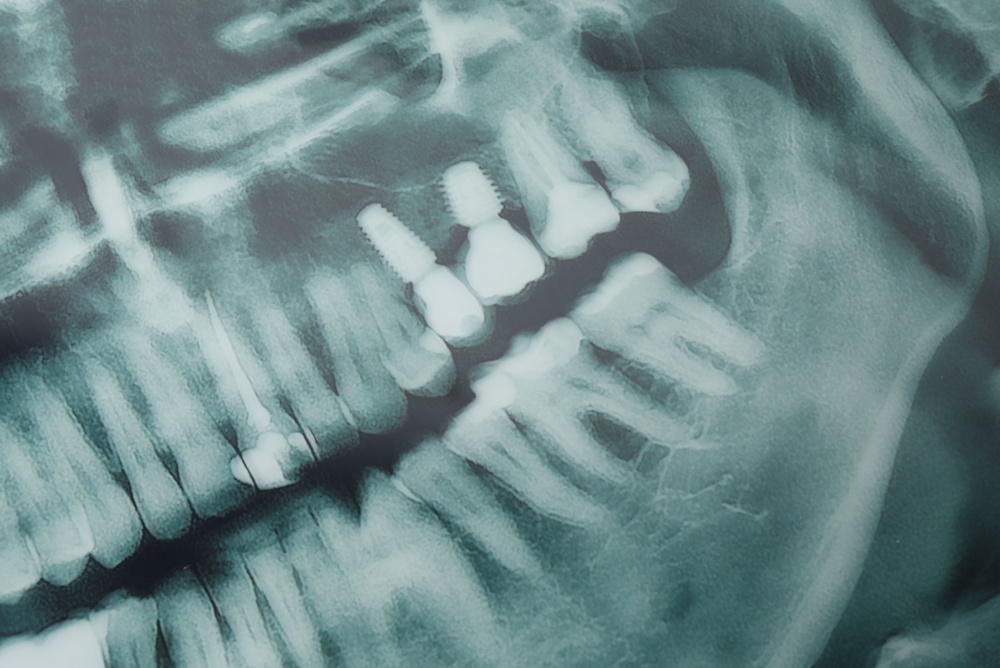
A dental implant abutment is the small but vital connector that joins the implant fixture in your jawbone to the crown or denture you see in your mouth. This post explains what a dental implant abutment is, the common types, why it matters for function and looks, what to expect during placement, and how to care for it so your restoration lasts.
What is a dental implant abutment?
A dental implant abutment is the middle piece of a three-part implant restoration. The three parts are the implant (the titanium or ceramic fixture placed in the bone), the dental implant abutment (the connector), and the crown or prosthesis (the visible tooth). The abutment screws or fits onto the implant and provides the foundation for the crown. Without a properly fitted abutment, the prosthesis won’t sit correctly or function like a natural tooth.
How a dental implant abutment works
The abutment transfers your bite forces from the crown to the implant and then into the jawbone. It shapes the emergence profile—the way the crown meets the gum—so the final tooth looks natural. A good abutment also supports the surrounding soft tissue and creates a tight seal to reduce bacterial entry around the implant. Proper fit and material choice help prevent micro-movement and reduce the risk of complications like loosening or gum inflammation.
Types of dental implant abutments
Stock vs. custom abutments
Stock abutments are pre-made and come in standard sizes and angles. Dentists often use them when the implant is well-placed and the patient’s anatomy is straightforward. Custom abutments are made to match your gum line and implant position exactly—they offer better fit and esthetics. Custom abutments are especially helpful in the front of the mouth or when implants are tilted or placed at odd angles.
Materials: titanium, zirconia, and others
Titanium abutments are very strong and biocompatible; they’re commonly used for back teeth where strength matters. Zirconia abutments are tooth-colored and offer superior esthetics for front teeth, and they also integrate well with soft tissue. Some abutments combine a titanium base with a zirconia collar for strength and look. Material choice depends on location, bite force, and how visible the restoration will be.
Specialty abutments: angled, healing, and temporary
Angled abutments correct implant angulation when ideal placement isn’t possible. Healing abutments help shape the gum tissue during the recovery phase. Temporary abutments support provisional crowns while the final restoration is being made. Each specialty abutment serves a specific clinical need to improve fit, function, or healing.
Why the dental implant abutment matters for long-term success
A well-chosen abutment ensures the crown fits tightly, reducing micro-gaps where bacteria can enter. Proper abutment fit and material reduce the risk of loosening, fracture, and wear. Good emergence profile and tissue support help keep gum health stable and prevent bone loss. In short, the abutment plays a major role in whether an implant feels natural, lasts for years, and looks like a real tooth.
Common abutment problems and solutions
Loose abutments can often be retorqued to the correct manufacturer torque. Fractured abutments or poorly fitting ones are replaced—sometimes with a custom abutment for a better fit. Poor esthetic fit can be improved by using zirconia or custom designs to shape the gum line. Peri-implantitis (infection around the implant) requires cleaning, possible antibiotics, and in some cases surgical treatment; addressing the infection early improves outcomes.
What to expect during abutment placement and crown delivery
After the implant has integrated with the bone, the dentist uncovers the implant and places a healing abutment for a short time. Next comes an impression or a digital scan to design the final abutment and crown. The chosen abutment is placed and tightened to the manufacturer’s torque specs. The crown is then seated and checked for bite and esthetics. Procedures may be done with local anesthesia, and sedation options are available for anxious patients.
Caring for a dental implant abutment
Home care matters: brush twice daily, floss or use interdental brushes around the implant, and consider a non-alcoholic antimicrobial rinse if recommended. Avoid chewing very hard objects and control habits like ice chewing or nail-biting. Schedule regular professional cleanings and checkups—your dentist will examine the abutment fit, tighten components if needed, and monitor soft tissue and bone. Call your dentist if you notice mobility, persistent pain, swelling, or pus.
Choosing the right team for abutment care
Complex implant cases do best with a team approach: a prosthodontist for the restorative plan and esthetic design, and an oral and maxillofacial surgeon for implant placement when needed. Dental Associates of Aurora is a multi-specialty practice serving Aurora and Westminster, Colorado that combines a prosthodontist, oral surgeon, an in-house lab, and zirconia implant options to manage abutment selection and restorations. Their team can coordinate implant placement, custom abutment design, and final restorations for predictable results.
Next steps / Schedule an evaluation
If you have implants now or are considering them, book an exam to review your dental implant abutment options and a personalized plan. A short evaluation will check implant health, gum tissue, and esthetic needs. Contact Dental Associates of Aurora to schedule a consult and learn whether a stock or custom abutment, titanium or zirconia option, or other solution best fits your smile.